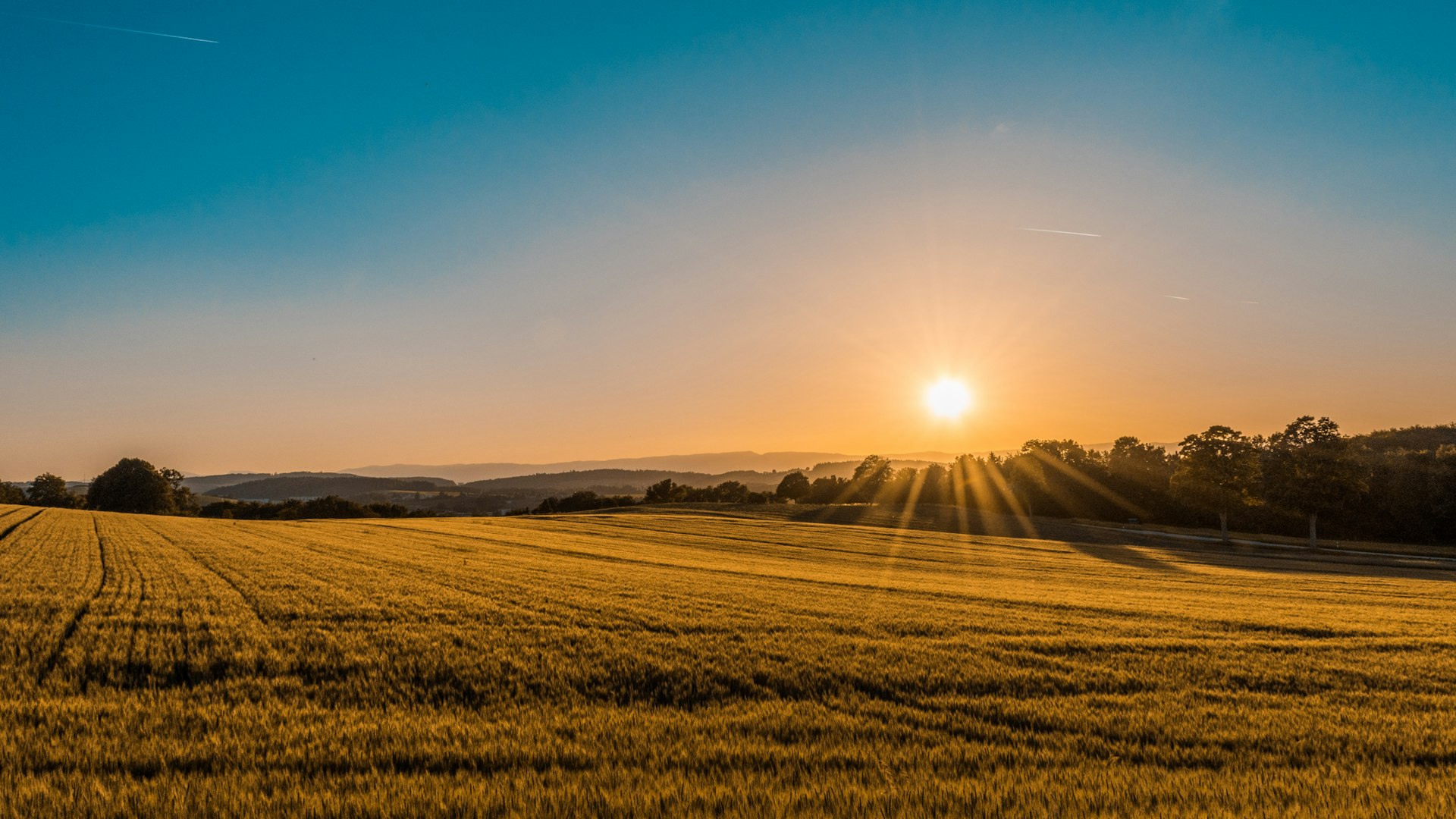
Russia is the world's largest wheat exporter, and for good reason: competitive prices, consistent quality, and reliable supply from one of the world's largest agricultural zones. If you're a flour mill, feed manufacturer, or food company looking to source Russian wheat, this guide covers the complete process.
Key facts: Russia exports 50–55 million MT of wheat annually. The main export port is Novorossiysk (Black Sea). Standard minimum order: 25,000 MT (one Panamax vessel). Average transit to Egypt: 6 days. To Bangladesh: 20 days.
Step-by-Step: The Buying Process
Define Your Requirements
Before approaching any supplier or broker, know exactly what you need: commodity (wheat, barley, corn), grade (protein content, gluten, moisture), quantity (MT), loading window (e.g., March 1–15), and your destination port.
Find a Reliable Grain Broker
Working through an established broker like GrainsBrok gives you access to vetted exporters, faster RFQ responses, and protection from fraud. Direct trading is possible but requires significant due diligence on the exporter's credentials and export licenses.
Request a Firm Offer (RFQ)
Submit your specifications. You'll receive a firm FOB price, typically valid for 24–48 hours. The offer should specify: commodity, grade, quantity, loading port, loading date, payment terms, and quality specs.
Negotiate and Sign the Contract
Once you agree on price, the contract (typically based on GAFTA or Grain and Feed Trade Association terms) is prepared. Key contract elements: price in USD/MT FOB, quantity ±5% tolerance, quality specs, loading laycan, payment terms, demurrage/dispatch rates.
Open Letter of Credit
Standard payment in Russian grain trade is an Irrevocable Documentary Letter of Credit at sight (LC). Your bank issues the LC to the seller's bank within 5–7 business days of contract signing. The LC must match contract terms exactly to avoid discrepancies.
Pre-Shipment Inspection
An independent surveyor (SGS, Bureau Veritas, or Intertek) samples the grain at the loading port elevator before loading. They verify: protein, moisture, gluten, test weight, foreign matter, and pest-free status. Their certificate is binding for LC payment.
Vessel Loading & Documents
Grain is loaded at the export elevator. Once loading is complete, the seller presents the full document set to their bank: Bill of Lading, Quality Certificate, Phytosanitary Certificate, Certificate of Origin, Weight Certificate. Your bank releases payment.
Customs Clearance at Destination
You receive the original documents and present them to destination customs. Requirements vary by country — Turkey, Egypt, and most markets require phytosanitary certificate, quality certificate, bill of lading, and commercial invoice.
Required Export Documents
| Document | Issued by | Purpose |
|---|---|---|
| Bill of Lading (BL) | Shipping line | Title to goods; LC payment trigger |
| Commercial Invoice | Exporter | Price, quantity, parties |
| Phytosanitary Certificate | Rosselkhoznadzor (Russia) | Pest/disease-free declaration |
| Quality Certificate | Independent surveyor (SGS etc.) | Grade/spec confirmation |
| Weight Certificate | Independent surveyor | Confirming loaded quantity |
| Certificate of Origin | Chamber of Commerce | For customs preferential rates |
| Packing List / Cargo Manifest | Exporter / Shipping line | Customs declaration |
Common Pitfalls to Avoid
⚠ Fraud alert: The grain trade attracts scammers. Never pay advance to unverified exporters. Always use LC at sight — this protects you. Verify export licenses and company registration before contract.
- Vague quality specs in contract — Always specify protein %, moisture %, gluten %, test weight, and max foreign matter. "Russian standard" alone is not enough.
- Wrong LC terms — LC must match contract terms exactly. A minor discrepancy (e.g., different port name) can block payment and delay shipment.
- Ignoring demurrage — If your discharge port is slow, demurrage charges ($10,000–25,000/day) can wipe out your margin. Negotiate reasonable lay time.
- Not checking export quota status — Russia periodically adjusts export quotas. Confirm exporters have quota allocation before signing.
Typical Timeline
- Day 1: RFQ submitted
- Day 1–2: Firm offer received
- Day 2–5: Contract negotiation and signing
- Day 5–10: LC opened by buyer's bank
- Day 10–25: Loading (depends on loading date in contract)
- Day 25–35: Vessel in transit to Turkey/Egypt
- Day 30–50: Arrival in Bangladesh/Indonesia
Ready to source Russian grain?
GrainsBrok handles every step — from RFQ to loading supervision. Send us your specs and we'll reply within 24 hours with a firm offer.
Send Inquiry